
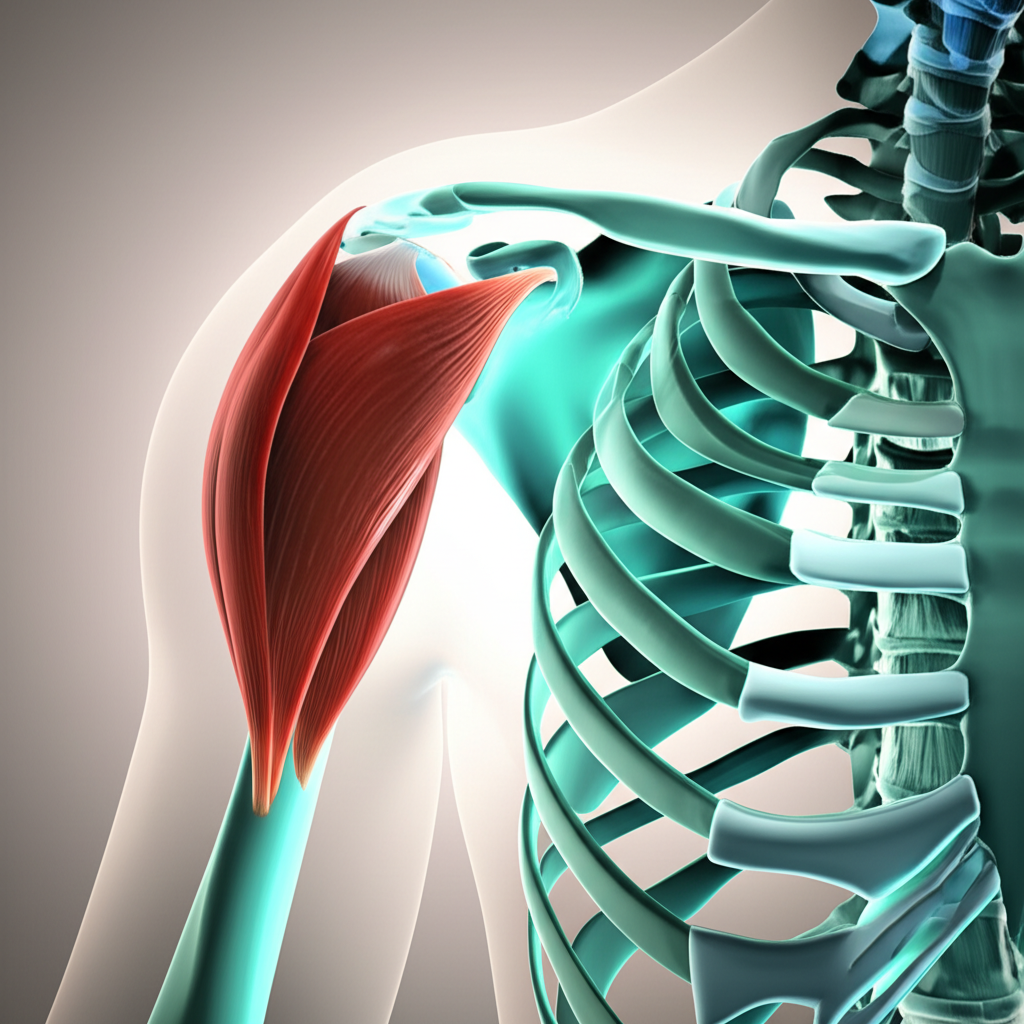
What Is the Rotator Cuff?
The rotator cuff is a group of four muscles and tendons that stabilize the shoulder joint and enable arm movement. These muscles are:
- Supraspinatus — Most commonly torn
- Infraspinatus
- Teres minor
- Subscapularis
Types of Rotator Cuff Tears
Partial Tears
- Only part of the tendon is damaged
- Often heal with conservative treatment
- May progress to full tear if untreated
Full-Thickness Tears
- Complete tear through the tendon
- May or may not require surgery
- Size matters: small (<1cm), medium (1-3cm), large (3-5cm), massive (>5cm)
Symptoms of Rotator Cuff Tears
- Pain at rest and at night
- Pain when lifting or lowering arm
- Weakness when rotating arm
- Crackling sensation with movement
- Limited range of motion
When Is Surgery NOT Needed?
Good Candidates for Conservative Treatment
- Partial tears with manageable pain
- Small full-thickness tears in less active patients
- Older patients with low functional demands
- Chronic tears where muscle has already atrophied
- Patients who respond well to physiotherapy
Conservative Treatment Options
- Rest and activity modification
- Physiotherapy — Strengthening and stretching
- Anti-inflammatory medications — NSAIDs
- Steroid injections — Temporary relief
- PRP injections — May promote healing
Success Rates
- 50-80% of patients improve with conservative treatment
- Most effective for partial tears and small full-thickness tears
- 3-6 months of dedicated physiotherapy recommended
When Is Surgery Recommended?
Strong Indications for Surgery
- Acute tears from injury in active patients
- Large or massive tears that will progress
- Failed conservative treatment (3-6 months)
- Significant weakness affecting daily activities
- High-demand patients (athletes, manual workers)
- Progressive tear enlargement on imaging
Surgical Options
| Procedure | Description | Recovery |
|---|---|---|
| Arthroscopic repair | Minimally invasive, small incisions | 4-6 months |
| Mini-open repair | Small incision, direct visualization | 4-6 months |
| Open repair | Large incision, for complex tears | 6-9 months |
| Tendon transfer | For irreparable tears | 6-12 months |
| Reverse shoulder replacement | For severe arthritis + tear | 3-6 months |
Factors Affecting Surgical Success
Better Outcomes With
- Smaller tears
- Recent tears (less than 3 months)
- Good tissue quality
- Younger age
- Non-smoker
- Compliant with rehab
Poorer Outcomes With
- Massive, chronic tears
- Significant muscle atrophy
- Poor tissue quality
- Older age
- Diabetes
- Smoking
Recovery After Surgery
Timeline
| Phase | Time | Activities |
|---|---|---|
| Immobilization | 0-6 weeks | Sling, passive motion only |
| Early motion | 6-12 weeks | Active assisted exercises |
| Strengthening | 12-24 weeks | Progressive resistance |
| Return to activity | 6-9 months | Gradual return to sports/work |
Rehabilitation Is Critical
- Surgery is only 50% of the solution
- Physiotherapy compliance determines outcome
- Full recovery takes 6-12 months
- Some restrictions may be permanent
Questions to Ask Your Surgeon
- What is the size of my tear?
- Is my muscle still healthy?
- What are my chances of success with or without surgery?
- What activities can I expect to return to?
- What happens if the repair fails?
Conclusion
Not every rotator cuff tear needs surgery. Many patients do well with physiotherapy alone. However, certain tears will not heal and may worsen without surgical intervention. A thorough evaluation by an orthopaedic surgeon can help you make the right decision for your situation.